
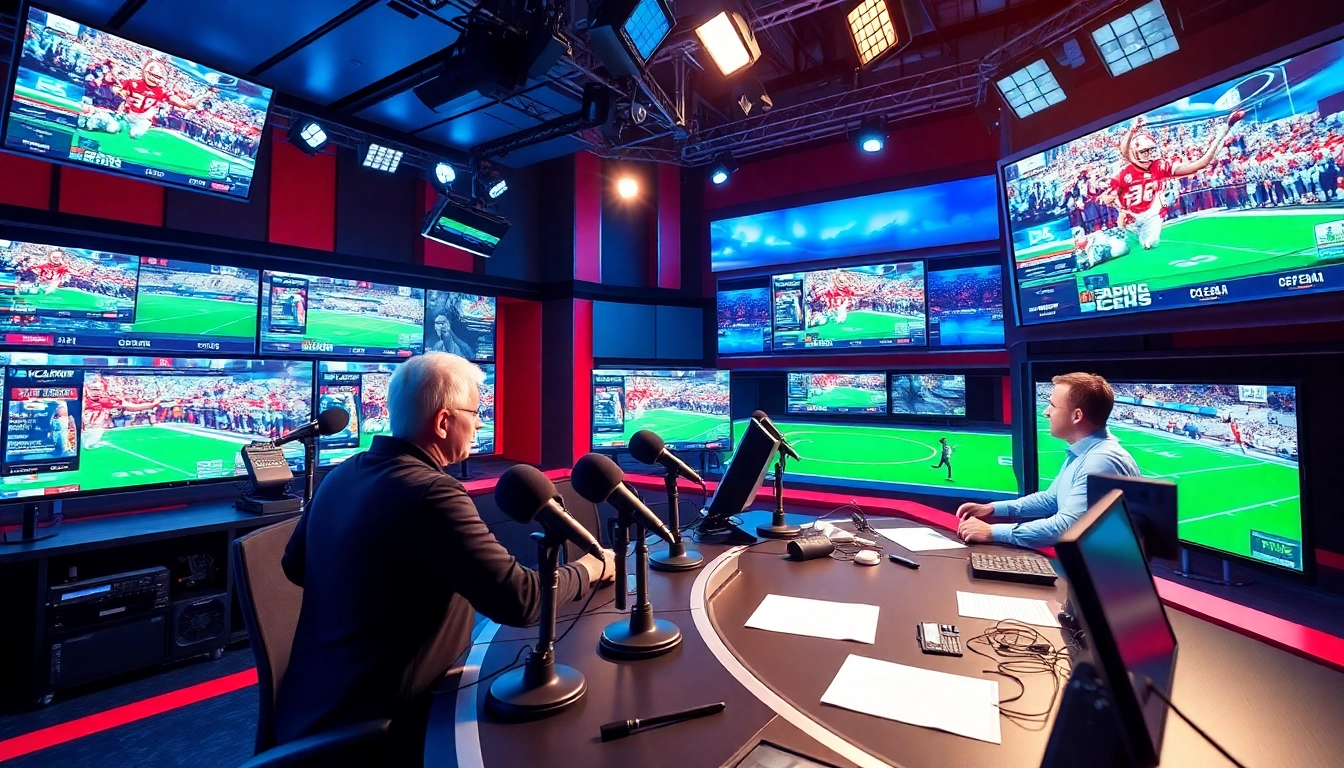
Understanding Sports Broadcasting Fundamentals
Definition and Importance of Sports Broadcasting
Sports Broadcasting refers to the dissemination of sports events through various media platforms, allowing audiences to engage with their favorite games, teams, and athletes from anywhere in the world. As a vital component of the sports industry, it enhances fan experiences, stimulates revenue growth, and fosters community engagement. The ability to watch live events, catch up on highlights, and access expert commentary contributes not only to the entertainment of viewers but also to the promotion of sports culture globally. This growing demand for real-time coverage has revolutionized how viewers interact with sports, making it crucial for broadcasters to stay ahead in the fast-paced environment of Sports Broadcasting.
Key Roles in Sports Broadcasting
Various professionals contribute to the seamless execution of a sports broadcast. Among them are:
- Commentators: They provide live narration and analysis of the game, enhancing viewer understanding and excitement.
- Producers: They oversee the production process, coordinating between various departments and ensuring the broadcast runs smoothly.
- Cameramen: Responsible for capturing live footage, they play a critical role in delivering visual content that keeps audiences engaged.
- Technical Crew: Their expertise in sound, lighting, and transmission systems directly impacts the overall quality of the broadcast.
- Writers: They craft engaging scripts, promotional materials, and social media posts that connect the broadcast to a wider audience.
Overview of Broadcasting Methods
Sports broadcasting can be delivered through various methods that enhance accessibility and viewer engagement:
- Television Broadcasting: Traditional broadcasts are often accompanied by pre-game shows, expert analyses, and post-game discussions, maximizing viewer experience.
- Radio Broadcasting: Offers a sound-only format, enabling fans to stay updated on games while multitasking or commuting.
- Online Streaming: Platforms like web-based broadcasts allow instant access to games, catering to the preferences of digital-first audiences.
- Social Media: Live updates, highlights, and behind-the-scenes content create a dynamic fan engagement platform that complements traditional broadcast methods.
Choosing the Right Equipment for Sports Broadcasting
Essential Gear for Quality Broadcasts
Investing in high-quality equipment is essential for producing professional-grade broadcasts. Some key components include:
- Cameras: HD or 4K cameras capable of capturing fast-paced action and different angles play a significant role in viewer engagement.
- Microphones: High-quality microphones ensure clear audio transmission, enhancing commentary and crowd sounds.
- Mixing Consoles: Used to balance audio levels from various sources, ensuring a polished sound quality.
- Lighting Equipment: Proper lighting sets the visual tone of the broadcast, allowing for clear image quality regardless of the venue.
- Streaming Hardware: Devices that manage internet connectivity and streaming quality are vital for online and hybrid broadcasts.
Best Practices for Audio and Video Setup
To achieve a professional broadcast, adhering to best practices for audio and video setup is crucial:
- Pre-broadcast Testing: Conduct thorough tests of all equipment to identify and address potential issues before going live.
- Audio Quality Checks: Ensure that all microphones are functioning correctly and audio levels are balanced to provide a clear listening experience.
- Camera Angle Variation: Use multiple camera angles to make broadcasts visually dynamic and engaging, which caters to different audience preferences.
- Backup Equipment: Always have backup solutions in place to avert potential disruptions that could compromise the broadcast.
Advanced Technology in Sports Broadcasting
Emerging technology continues to reshape sports broadcasting. Some advancements worth noting include:
- Augmented Reality (AR) and Virtual Reality (VR): These technologies provide immersive experiences that enhance viewer engagement by allowing them to experience games from new perspectives, such as perspective shifts to player views.
- Drone Footage: Drones capture stunning aerial shots during events, offering unique angles that enhance storytelling and visual interest.
- Enhanced Analytics: AI and machine learning provide real-time analytics, enabling broadcasters to offer deeper insights into games and players.
- Cloud-Based Solutions: Cloud technology simplifies collaboration among broadcasters, enabling smooth content sharing and storage.
Building Engaging Content for Sports Broadcasting
Storytelling Techniques in Sports
Effective storytelling is crucial in sports broadcasting, as it builds emotional connection and draws viewers in. Techniques to enhance storytelling include:
- Character Development: Invest in profiling players and coaches, showcasing their backgrounds and journeys to make the narrative relatable.
- Dramatic Arcs: Highlight key moments to create tension and excitement, guiding audiences through the highs and lows of an event.
- Integrating Data: Use statistics and data points as narrative support, adding credibility and depth to the story being told.
Interacting with the Audience
Audience interaction boosts viewer retention and enhances engagement. Some methods include:
- Live Polls: Encourage audience participation by utilizing live polls during broadcasts to gauge viewer opinions on game-related topics.
- Q&A Segments: Incorporate Q&A sessions where viewers can submit questions to commentators, fostering a two-way communication channel.
- Social Media Integration: Actively engage with fans on platforms like Twitter and Instagram, responding to comments and sharing content generated by viewers.
Integrating Social Media into Broadcasts
Social media can amplify the reach of broadcasts and engage a wider audience. Strategies to integrate social media include:
- Highlight Clips: Share standout moments from games in real-time, encouraging viewers to share and comment on their experiences.
- Behind-the-Scenes Content: Provide exclusive insights on social media to create a personal connection with fans.
- Hashtags: Create unique hashtags for events to facilitate discussions and make content easily discoverable among fans.
Navigating Ethics and Regulations in Sports Broadcasting
Understanding Broadcasting Rights and Regulations
Comprehending broadcasting rights is paramount for legal and ethical compliance. Broadcasters must understand:
- Licensing Agreements: Contracts that outline terms of broadcasting rights are essential in determining what can be aired and where.
- Regional Restrictions: Certain events may have restrictions based on geographic locations, necessitating compliance to avoid legal ramifications.
- Intellectual Property Rights: Respecting trademarks and copyrights in delivering content is vital for avoiding litigation.
Maintaining Integrity in Sports Reporting
Broadcasters must prioritize integrity and credibility in reporting. Key practices include:
- Fact-Checking: Rigorously verify information before broadcasting accurate and unbiased content.
- Transparency: Be open about potential biases and conflicts of interest when reporting.
- Accountability: Acknowledge mistakes and correct them promptly to maintain trust with the audience.
Addressing Controversial Issues Responsibly
Sports often involve controversial topics, and addressing these responsibly is crucial. Best practices include:
- Balanced Perspective: Offer diverse viewpoints to portray controversies fairly and enable informed discussions.
- Contextual Reporting: Provide historical and contextual background on issues to help viewers understand complex situations.
- Expert Opinions: Bring in specialists or commentators to discuss sensitive topics, ensuring a well-rounded exploration of the issue.
Evaluating Performance Metrics in Sports Broadcasting
Key Performance Indicators for Broadcasters
Identifying and tracking performance metrics can drive improvements and ensures that broadcasters meet audience expectations. Key indicators include:
- Viewership Ratings: Monitor the number of viewers tuning in during live broadcasts to gauge interest.
- Engagement Rates: Measure audience interactions through comments, shares, and likes on various platforms.
- Advertising Revenue: Analyze revenue generated from sponsors and advertisements against viewership numbers to assess profitability.
Utilizing Audience Feedback
Gathering and analyzing audience feedback allows broadcasters to align content with viewer interests. Effective approaches include:
- Surveys: Conduct post-broadcast surveys to gather insights on audience opinions and preferences.
- Social Media Insights: Analyze comments and interactions on social media platforms to gauge viewer sentiment and interests.
- Focus Groups: Engage select audience members in discussions about their viewing experiences to refine content strategies.
Adjusting Strategies Based on Metrics Analysis
Regularly adjusting strategies based on performance metrics allows broadcasters to optimize content delivery. Tactical adjustments might include:
- Content Scheduling: Redefine broadcast schedules to align with peak viewership times.
- Targeted Content: Create programming focused on viewer preferences, leveraging data insights to inform content creation.
- Improved Interactivity: Enhance audience engagement through innovative interactive formats based on viewer feedback.
FAQs about Sports Broadcasting
What skills are essential for a sports broadcaster?
Essential skills include strong communication, adaptability, and in-depth knowledge of various sports.
How has technology influenced sports broadcasting?
Technology has enhanced viewer engagement through interactive graphics, instant replays, and streaming options, creating a richer broadcast experience.
What are the major challenges in sports broadcasting?
Major challenges include managing live coverage, responding to breaking news, and maintaining audience interest amidst evolving viewer expectations.
How do broadcasters ensure the accuracy of information?
They rely on credible sources, thorough fact-checking, and real-time updates during broadcasts to uphold accuracy.
What future trends can be expected in sports broadcasting?
Future trends include deeper integration of virtual reality, AI-driven analysis, and hyper-personalized viewing experiences tailored to individual viewer preferences.