
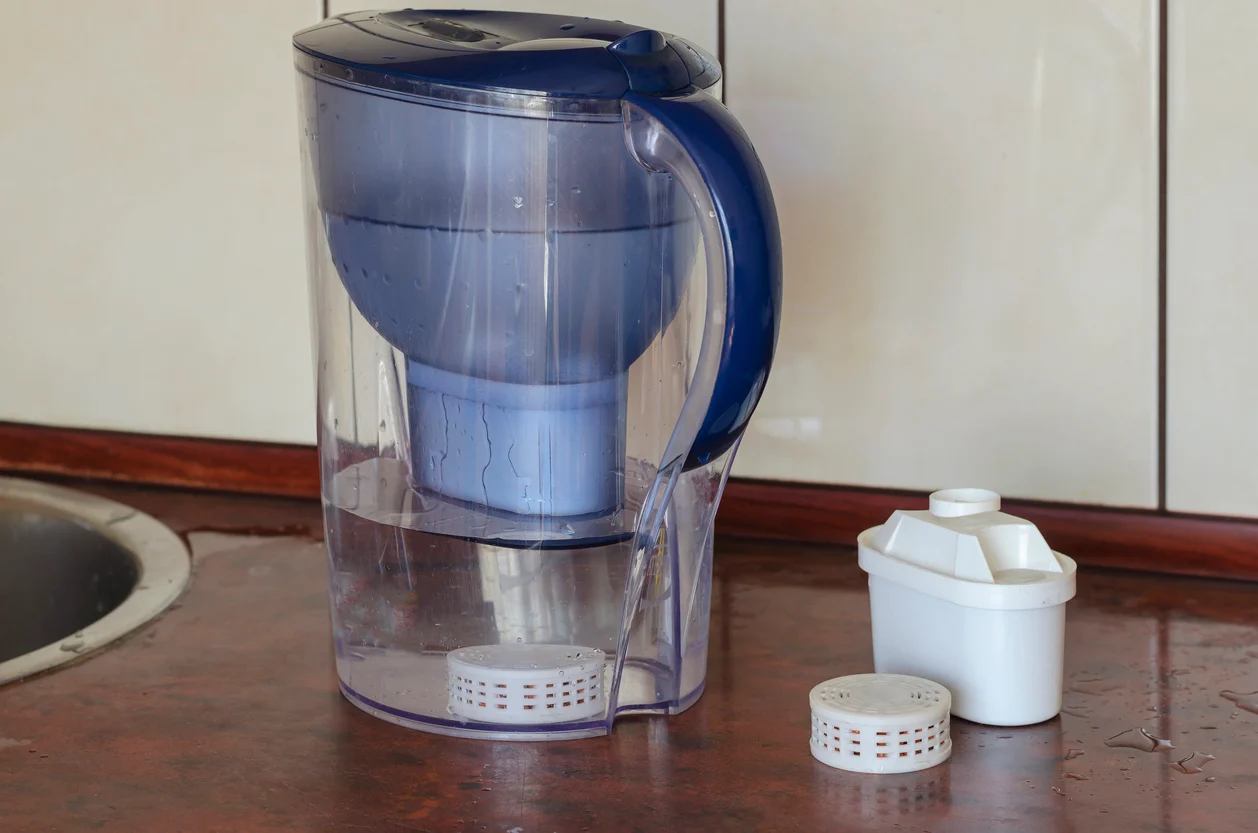
Filtered water has become a household essential in many homes. With concerns over tap water quality, taste, and odor, millions of people turn to water filtration systems for safer drinking water. Among these, Brita filters are one of the most recognizable brands. But the question remains: are brita filters good for health, or are their benefits overhyped? In this article, we will take a deep dive into Brita filters, how they work, what they remove, and whether they are truly worth your money.
How Brita Filters Work
Activated Carbon Technology
Brita filters use activated carbon as their main filtration component. This carbon is processed to create millions of tiny pores, which trap impurities in the water. The activated carbon primarily targets:
- Chlorine, which can affect the taste and smell of water
- Certain volatile organic compounds (VOCs)
- Some heavy metals like copper, zinc, and mercury
Ion-Exchange Resin
In addition to carbon, Brita filters contain an ion-exchange resin. This resin reduces water hardness by swapping out calcium and magnesium ions with sodium ions. The result is:
- Softer water
- Reduced scale buildup in kettles and coffee machines
- A more pleasant drinking experience
Real-Life Example
Imagine filling a glass with water from your tap and noticing a slightly metallic taste. After running it through a Brita filter, the water tastes fresher and cleaner. This is due to the combined effect of carbon and ion-exchange resin removing unwanted particles and balancing the minerals.
Are Brita Filters Good for Removing Contaminants?
Chlorine and Taste Improvement
Chlorine is added to most municipal water supplies to kill bacteria. While this makes water safer, it can also leave an unpleasant taste and smell. Brita filters are effective at:
- Reducing chlorine taste and odor
- Making water more enjoyable to drink
- Encouraging higher water consumption, which is essential for health
Heavy Metals and Chemicals
Brita filters can remove small amounts of heavy metals, including:
- Lead (in some models)
- Copper
- Mercury
However, it is essential to note that Brita filters are not designed to remove all contaminants. Bacteria, viruses, and other harmful chemicals like PFAS are not fully filtered out. If your tap water is heavily contaminated, relying solely on Brita filters may not be enough.
Case Study
In one study of household water filters, Brita pitchers successfully reduced chlorine levels by over 90%. They also lowered lead concentrations in water samples, but removal of bacteria and other industrial chemicals was limited. This highlights that while Brita filters improve taste and safety, they are not a complete solution for all water quality issues.
Health Benefits of Using Brita Filters
Improved Hydration
When water tastes better, people are more likely to drink enough of it. Proper hydration supports:
- Brain function
- Digestive health
- Skin hydration
Reduced Exposure to Metals
By filtering some heavy metals, Brita filters can reduce long-term exposure to potentially harmful substances, which is especially important for children and pregnant women.
Mental Comfort and Peace of Mind
Even if the water is generally safe, knowing it has gone through a filtration system can provide reassurance. This mental comfort encourages families to rely more on tap water rather than bottled alternatives, which is both cost-effective and environmentally friendly.
Limitations and Common Misconceptions
Not a Purification System
Some users believe that Brita filters make water “completely pure,” but this is not true. Brita pitchers are designed to improve taste and remove certain contaminants, not to sterilize water or remove all toxins.
Regular Filter Replacement is Crucial
A Brita filter becomes less effective over time. Failing to replace filters according to the recommended schedule can result in:
- Reduced contaminant removal
- Bacterial growth inside the filter
- Stale-tasting water
Most Brita filters need replacement every 2-3 months or after filtering about 40 gallons of water.
Limitations with Specific Contaminants
- PFAS (per- and polyfluoroalkyl substances)
- Nitrates
- Microorganisms like bacteria and viruses
- Hard water minerals that may require advanced filtration
For households with these concerns, additional filtration systems, such as reverse osmosis or UV treatment, may be necessary.
Cost vs. Benefit Analysis
Affordability
Brita pitchers are widely known for being affordable. A single pitcher costs significantly less than whole-home filtration systems or reverse osmosis units. Replacement filters are also budget-friendly, typically under $10 each.
Convenience
Brita filters are simple to use and require no plumbing. Simply fill the pitcher, let the water pass through, and enjoy. For families who want a quick solution for better-tasting water without professional installation, this convenience is invaluable.
Long-Term Health Impact
While Brita filters improve taste and reduce certain contaminants, the long-term health benefits are modest compared to other filtration options. For most households with reasonably safe tap water, Brita filters provide a convenient, practical solution for cleaner water rather than a complete safeguard against all waterborne hazards.
Comparing Brita to Other Filters
Brita vs. Pur
Pur is another popular pitcher filter brand. Both use activated carbon, but:
- Pur often removes more contaminants, including mercury and some pharmaceuticals
- Brita is slightly more affordable and easier to find in stores
- Taste improvement is comparable, although some users prefer the flavor of Brita-filtered water
Brita vs. Reverse Osmosis Systems
- Reverse osmosis removes nearly all contaminants, including nitrates, fluoride, and bacteria
- Brita is much cheaper and easier to use
- RO systems require professional installation and regular maintenance
For households prioritizing taste and basic contaminant removal, Brita filters are often sufficient. For those with serious water quality issues, advanced systems are better.
Practical Tips for Using Brita Filters
Filter Replacement Schedule
- Replace every 2 months or after filtering 40 gallons
- Check filter indicator lights if your model has one
Cleaning the Pitcher
- Wash the pitcher weekly with warm, soapy water
- Avoid using harsh chemicals or abrasive scrubbers
Optimal Usage
- Fill the pitcher slowly to allow thorough filtration
- Store filtered water in the refrigerator for the best taste
Real-Life Example
A family in Vancouver switched to Brita pitchers and noticed:
- The tap water tasted fresher
- They drank more water daily
- They reduced bottled water purchases by half, saving money and reducing plastic waste
Are Brita Filters Good for Health Overall?
When asking, “are Brita filters good?” it’s important to consider the scope. Brita filters:
- Improve taste and odor
- Reduce chlorine and some heavy metals
- Encourage healthier hydration habits
- Provide mental reassurance about water safety
However, they do not replace professional water testing or advanced filtration systems for serious contamination issues. If your tap water is relatively safe, Brita filters are a practical, cost-effective choice for everyday use.
Understanding the True Benefits of Brita Filters
Health Advantages
When asking are Brita filters good, the main focus is often on health. Brita filters help reduce chlorine, some heavy metals, and impurities in tap water. By improving water quality, they encourage regular hydration, which is essential for overall health. Many users report that their water tastes cleaner, which makes it easier to drink enough water daily.
Everyday Convenience
Another reason people wonder are Brita filters good is convenience. Brita pitchers are simple to use, affordable, and portable. You don’t need plumbing skills or extra installation. The ease of use ensures that families can enjoy filtered water anytime, making it a practical choice for busy households.
Brita Filters vs Tap Water: The Comparison
Taste and Odor
One of the first things people notice when asking are Brita filters good is the taste difference. Tap water often contains chlorine, which can give an unpleasant smell. Brita filters remove chlorine and other compounds, improving both taste and odor. Many users say that the water feels fresher and more refreshing than unfiltered tap water.
Contaminant Reduction
People also ask are Brita filters good because they hope for contaminant removal. While Brita filters reduce chlorine, copper, mercury, and some other metals, they do not eliminate all harmful substances. Understanding these limits is important for users who want both taste improvement and basic contaminant reduction.
Are Brita Filters Good for Families?
Safe Hydration for Kids
Families frequently question are Brita filters good for children. Since kids are more sensitive to certain metals, filtered water can reduce exposure and provide peace of mind. Brita filters can make tap water taste better, encouraging children to drink water rather than sugary beverages.
Environmental Impact
Another reason to ask are Brita filters good is environmental. Using a Brita filter reduces reliance on bottled water, which cuts down on plastic waste. For environmentally conscious households, this makes Brita filters not only a healthy choice but also a sustainable one.
Limitations and Proper Use
Filter Replacement
Even though many ask are Brita filters good, their effectiveness depends on proper use. Filters must be replaced every 2 months or after filtering around 40 gallons of water. Neglecting this can reduce contaminant removal and allow bacterial growth, reducing health benefits.
Not a Complete Solution
Finally, when people ask are Brita filters good, it’s important to understand the limitations. Brita filters cannot remove bacteria, viruses, or all chemical contaminants. They are best for improving taste, odor, and reducing some metals, but households with serious water issues may need additional filtration systems.
Conclusion
Brita filters offer a convenient, affordable way to improve the taste and safety of tap water. They are good for health in terms of reducing certain contaminants and encouraging hydration, but they are not a complete solution for all water quality issues. For households with heavily contaminated water, more advanced systems are recommended. Ultimately, Brita filters are worth it for improving daily water quality, especially for those prioritizing taste, convenience, and basic health benefits. Head back to the main page for fresh updates and trending topics.
FAQs
Are Brita filters good for removing lead?
Yes, some Brita filters are certified to reduce lead in tap water, but effectiveness depends on the specific model and filter age. Regular replacement is essential.
Can Brita filters remove bacteria and viruses?
No, Brita filters do not remove bacteria, viruses, or other microorganisms. For microbiologically unsafe water, additional treatment like boiling or UV purification is necessary.
How often should I replace a Brita filter?
Most Brita filters should be replaced every 2 months or after filtering 40 gallons of water. Following this schedule ensures optimal taste and contaminant removal.